
Anonymous
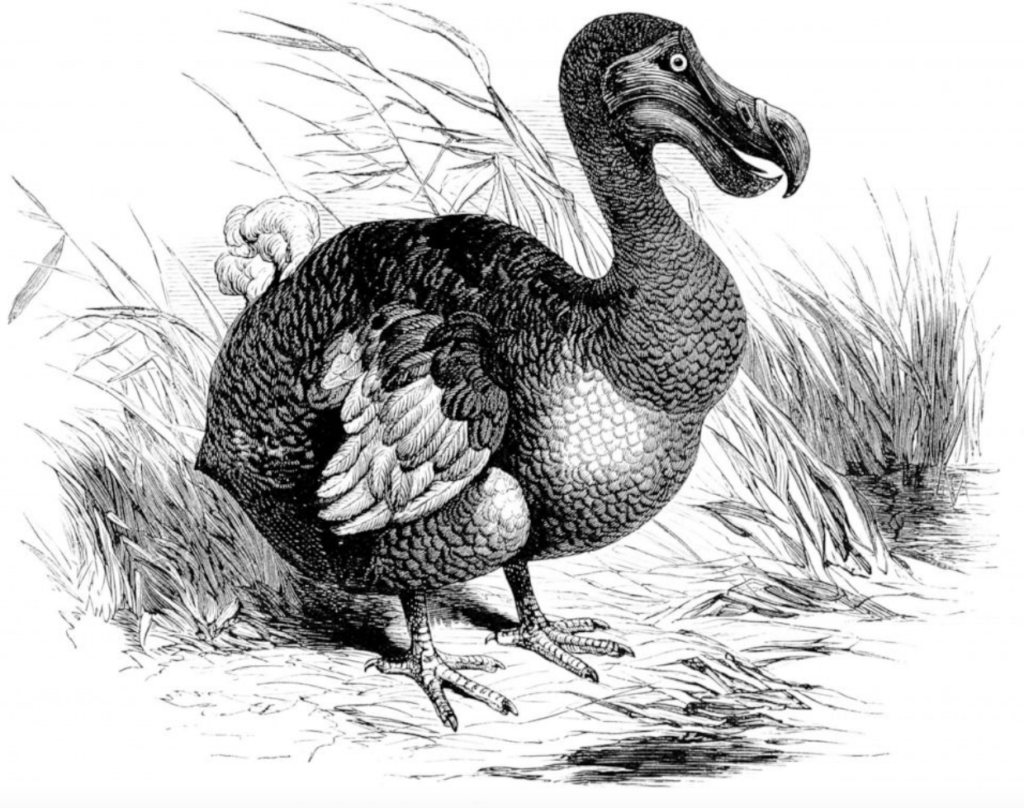
When I was in my 20s and 30s finding a job was easy. I applied and was interviewed for most of the jobs for which I submitted an application. The majority of the first interviews were in-person, but occasionally I had an initial phone interview followed by an invitation to meet at the employer’s office for a follow-up discussion about the position. Many times I was hired on the spot. I didn’t worry too much if I didn’t get the job because I knew there were other jobs available which I was well qualified for. As time, recessions, and economic ups and downs in the United States passed, the types of jobs, and their availability changed; so too did job requirements and hiring practices. Nowhere is this more prevalent than in the San Francisco Bay Area.
With competing universities in the Bay Area offering a Master’s Degree in Museum Studies, a BA in Museum Studies offered at San Francisco State University, and certificate programs in museum related work offered in other colleges, the area is saturated with museum professionals, or those aspiring to be. All are competing for the few jobs that are available in the field. There are a small number of students in the programs who are forty plus, but the majority are in their 20s and 30s. Upon their graduation the museum job market in the Bay Area is flooded with young graduates eager to find their place in the museum world. The museum professionals in their 40s and over who are well established in their career and on their way to, or nearing retirement, are becoming the minority of museum staff. Does this mean the older museum employee is going the way of the Dodo? I have asked myself this question many times. Am I aging out and becoming “extinct” in my profession? I cannot help but ask myself this question when I am interviewed by Generation Z and Millennials time after time, and am not invited for subsequent meetings. The dull stares, and yes sometimes, the look that says “I feel threatened by your experience” are all too commonplace. Yet I surge forward ever hopeful that my skills and experience will be recognized and valued by someone while wondering what these Generation Z and Millennials will feel when they have the sobering realization someday that they too are ageing. During future job searches will they recognize their past behavior interviewing potential employees when they are faced with the same dull stares and threatened looks that say “I don’t want to hire you because you have more experience/skills/knowledge/expertise?
In our country’s struggle to be awakened and accountable after the brutal murder of George Floyd, Briana Taylor, and others, museums have scrambled to reinvent ancient policy by writing diversity and BIPOC statements. These documents are critical and a long time in coming. Another issue which is rarely discussed and needs to be addressed is age discrimination. A few years before COVID-19 ravaged the United States I attended an anti-discrimination training at a museum given by the museum’s attorneys who were in their 30s. During the course of the training one of the attorneys said “no one should be discriminated against; even old people in their 40s.” I could hardly believe my ears – an attorney giving anti-discrimination training made a discriminatory remark. Clearly the attorneys were focusing on written discrimination without giving a lot of consideration to spoken age discrimination even by those fighting against it.
A long-time museum employee recently related their story to me about the age discrimination experienced in their museum. When this employee turned 65 the museum told the employee that their medical insurance was too expensive and was being cancelled. The museum offered to pay the employee’s Medicare premium in its place. The employee had no choice but to agree or end up paying for their medical insurance out-of-pocket.
Age discrimination is also being addressed globally as people begin to speak out about it. In a January 2022 online article The Art Newspaper reports that the Akademie Schloss Solitude in Stuttgart will eliminate its age limit of 40 for artists in residence. In the article, Brazilian artist Cibelle, is quoted saying “Every time you put an age cap on something, another institution will think it’s ok.” One cannot find fault with her statement. There is a trend to follow the “Joneses.” If one museum builds a new building the others follow suit; so too it ensues in hiring practices. Visit most museums and you will find the majority of employees under forty-five with the exception of upper management (sometimes).
By default social media also contributes to age discrimination. Any online photographic presence leaves applicants vulnerable. While social media is here to stay, anyone seeking employment or wanting to retain employment, should be cautious about what he or she posts. Although LinkedIn is a good tool for job searching, application, and professional networking, it unwittingly opens the door to discrete discrimination. Human Resources and hiring managers reviewing an applicant or scanning the site looking for potential employees have the opportunity to make judgements based on photographs. These judgements can open the door to age, ethnicity, and gender discrimination. One must ask why it’s necessary to post your photograph on LinkedIn? Photographs are not included in resumes or curriculum vitaes in the United States. Unless an applicant is in the entertainment, modelling, musical, or television industries a photograph is unnecessary. Why therefore should it be expected on a social media platform for other professionals? I have been told many times that an applicant will be overlooked if their photo is not on LinkedIn. An applicant should be reviewed and recognized for their experience, skills, education, and accomplishments—not their appearance.
We will always face recessions, economic instability, and downsizing, particularly in the museum field. Museum Studies Programs should take responsibility in helping their students find viable employment through credible internships and an employment network that honors age diversity. As COVID winds down and new positions become available let’s encourage employers to go old school and contemplate more in-person initial interviews. An interviewer can better evaluate an applicant by observing how he or she presents themselves and interacts face-to-face as opposed to a staged Zoom interview. Let’s open the conversation about age discrimination and ask interviewers to focus on an applicant’s qualifications and not their age. While museums struggle to reinvent themselves and explore unionization let us hope they also consider age equity in hiring—in the Bay Area and internationally—so older museum employees don’t face the same fate as the Dodo.
1 Shaw, Anny
2022 Past it at 40? Artists fight ‘culture of ageism’ in the art world
https://www.theartnewspaper.com/2022/01/31/past-it-at-40-artists-fight-culture-of-ageism-in-the-art-world?utm_source=The+Art+Newspaper+Newsletters&utm_campaign=f3d80fa1f3-EMAIL_CAMPAIGN_2022_01_27_01_59&utm_medium=email&utm_term=0_c459f924d0-f3d80fa1f3-62145978 (Accessed January 31, 2022).